

The fever tree (Vachellia xanthophloea) is one of Africa’s most striking and mysterious trees. With its smooth, yellow-green bark and towering presence, it dominates floodplains, riverbanks, and low-lying areas across eastern and southern Africa. While it is a vital part of the ecosystem, its name is wrapped in myth and legend.
Why Is It Called the Fever Tree?
The fever tree gets its name from early European explorers and settlers, who mistakenly associated it with malaria. These trees thrive in swampy, low-lying areas—coincidentally, the same places where malaria-carrying mosquitoes breed. As a result, people who spent time near fever tree groves often contracted malaria, leading them to believe that the trees themselves caused the illness. In reality, it was the mosquitoes that were responsible.
Myths and Misconceptions
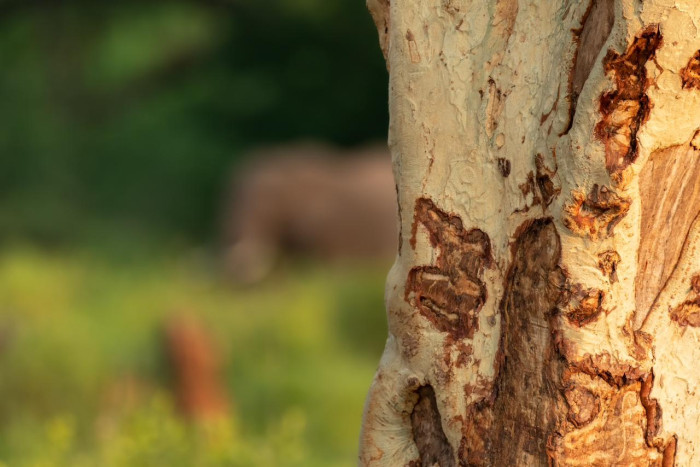
1.The Tree Causes Fever – The most famous myth is that standing near a fever tree cou
ld make someone sick. This belief persisted for years, even influencing colonial-era medicine. Today, we know that the treehad nothing to do with the fevers—it was simply a case ofmistaken identity.
2.The Bark Has Magical Properties – Some African folklore holds that the tree’s luminous bark has protective or healing powers. While the bark does contain medicinal compounds, it was never a cure for
malaria.3.It Glows in the Dark – Because of its unusual greenish-yellow bark, some myths claim the tree glows at night, especially under moonlight. While it doesn’t actually emit light, its smooth surface reflects ambient light in a way that makes it stand out in the dark.
Fascinating Facts About the Fever Tree
•The Bark Photosynthesizes – Unlike most trees, which rely solely on their leaves, the fever tree’s bark contains chlorophyll and can perform photosynthesis, allowing it to thrive even when partially stripped.
•A Vital Part of the Ecosystem – Fever trees provide shade, food, and shelter for a variety of wildlife, including birds, insects, and antelope. Their pods are a favorite snack for giraffes and elephants.
•Traditional Uses – Indigenous communities have used fever tree extracts to treat ailments such as eye infections and stomach issues.
•A Symbol of the African Wilderness – The fever tree’s striking appearance and unique ecology have made it a favorite among safari-goers and photographers. It is often associated with Africa’s most iconic landscapes.
Conclusion
The fever tree is a prime example of how myths and facts can intertwine. While it was once wrongly blamed for spreading fever, it remains a vital and beautiful part of Africa’s natural heritage. Today, it serves as a reminder that nature often holds deeper truths than we first assume.
So next time you spot a fever tree glowing in the afternoon sun, takea moment to appreciate its fascinating history and ecological importance.
Would you like to add any personal safari stories about fever trees?